
Academic array
Teaching & learning core
251 kWp
639,386 kWh generated 2019–2025 — the largest array, serving the main academic footprint of the Miotso campus.
Sustainability@Central
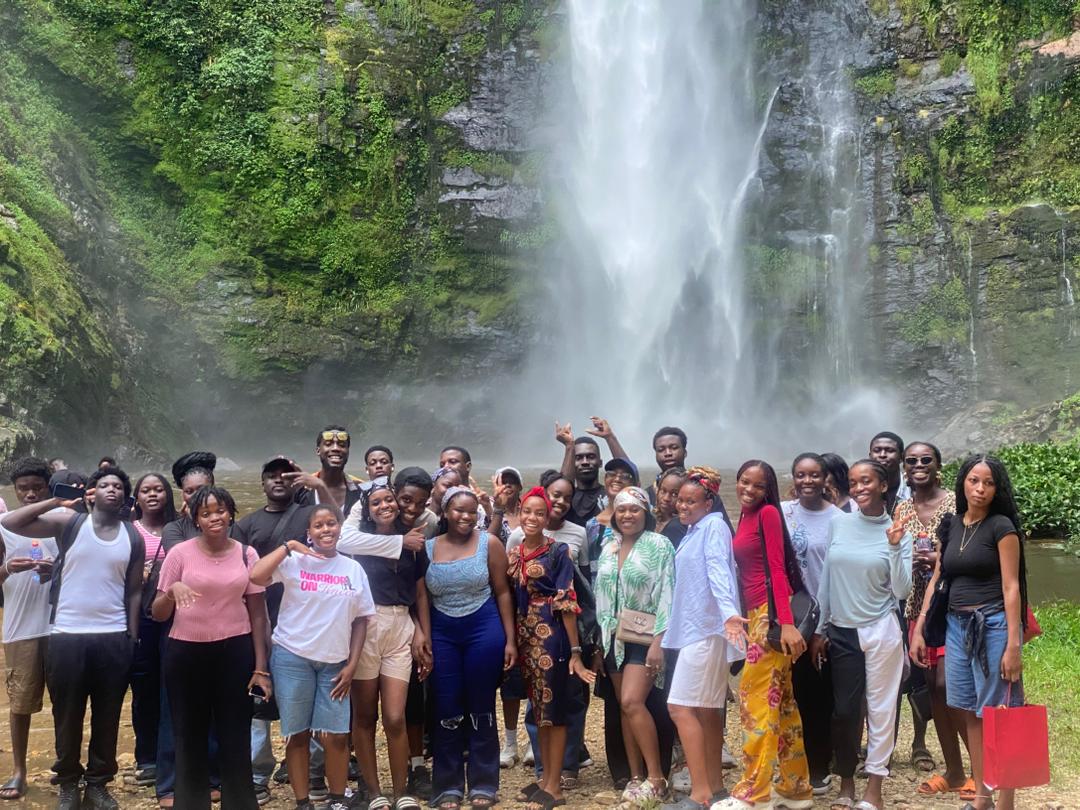
Central University treats climate action, clean energy and community wellbeing as part of our academic mission — not a side project. From a 401 kWp solar campus partnership to programmes that train environmental engineers and development practitioners, we aim to model the responsibility we teach.
Our Commitments
Sustainability at Central is coordinated by the Planning, Strategy & Sustainability (PSSP) Directorate and expressed through campus operations, teaching, research and public service.
Clean power on the main campus, continuous performance monitoring, and an active maintenance partnership to restore peak generation and cut grid dependency.
Curriculum and research aligned with the UN Sustainable Development Goals — especially quality education, health, clean energy, decent work and partnerships.
Public-health outreach, student welfare through CUcare, scholarships and chaplaincy care — service that extends beyond the campus gates.
A faith-rooted community that welcomes students from across Africa and beyond — building dignity, access and inclusion into campus life and international programmes.
Campus Energy
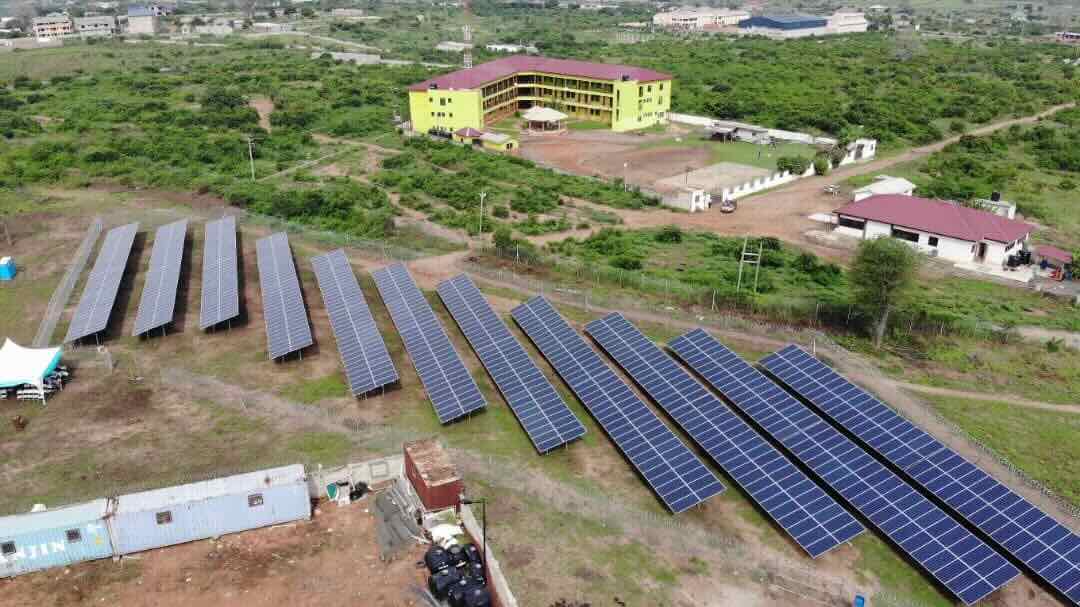
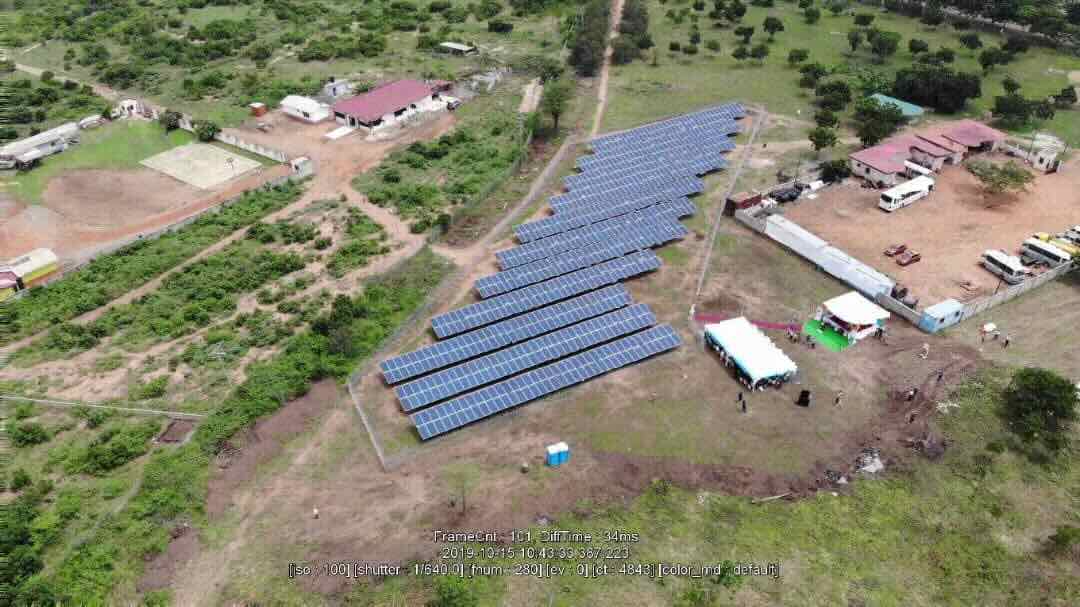
Through a Solar-as-a-Service agreement with Ecoligo GmbH (Germany), signed 26 November 2018, Central University operates a 401.28 kWp rooftop solar system at Miotso — with zero capital outlay from the University. We pay for clean energy consumed; Ecoligo supplies, installs and operates the plant.
CU × Ecoligo
Commissioned in November 2018, the plant delivers reliable low-carbon power to the Miotso campus and frees institutional funds for teaching and research. Performance is monitored array-by-array so maintenance can restore peak output.
The three arrays
Academic array
639,386 kWh generated 2019–2025 — the largest array, serving the main academic footprint of the Miotso campus.
Hostels array
290,356 kWh generated 2019–2025 — supporting student residential areas; priority zone for performance recovery.
Admin array
127,418 kWh generated 2019–2025 — the most consistent performer year-on-year across the three arrays.
Seven-year record
| Year | Total kWh | GH₵ saved | CO₂ avoided | Notes |
|---|---|---|---|---|
| 2019 | 95,708 | 64,124 | 40.2 t | Baseline year |
| 2020 | 100,057 | 82,047 | 42.0 t | Steady growth |
| 2021 | 157,121 | 157,121 | 66.0 t | Strong uplift |
| 2022 | 210,355 | 283,980 | 88.3 t | High performance |
| 2023 ★ | 247,078 | 407,678 | 103.8 t | Best year to date |
| 2024 | 168,795 | 337,590 | 70.9 t | Maintenance focus year |
| 2025* | 78,047 | 187,312 | 32.8 t | Partial year in source data |
| Total | 1,057,161 | 1,519,852 | 444.0 t | 7-year partnership |
Source: PSSP Campus Energy / Sustainability Dashboard — CU × Ecoligo operational data (2019–2025). Savings and CO₂ factors as calculated in the University’s energy monitoring framework. Figures may be updated as full-year 2025 data is closed.
Environmental Impact
Clean energy is not only a utilities story — it is a climate story. Using the University’s published conversion factors, Central’s solar generation to date is roughly equivalent to:
Global Goals
Sustainability@Central connects campus operations to teaching and research pathways that prepare graduates for Ghana’s development priorities.
SDG 4 · Quality Education
Accredited programmes across ten schools — including environment, engineering, health, business and education — with open pathways on our programme catalogue.
SDG 7 · Clean Energy
401 kWp of campus solar and a multi-year partnership model that other African universities can study — with transparent generation and savings data.
SDG 3 · Good Health
Schools of Pharmacy, Medical Sciences, and Nursing & Midwifery; student welfare via CUcare and campus wellbeing services.
SDG 8 · Decent Work
Career services through CCSD, industry partnerships, and programmes that link learning to Ghana’s labour market.
SDG 13 · Climate Action
444 tonnes of CO₂ avoided to date, continuous energy monitoring, and a 2026 Green Campus Audit covering energy, water, waste and biodiversity.
SDG 17 · Partnerships
Ecoligo (Germany), church and industry networks, international exchange via the IPO, and collaboration across African higher education.
Campus Initiatives
Digital forms (OSIS), e-reporting in finance, and progressive digitisation of HR contracts — cutting paper use across administration.
~45% paper reduction so far · target 80% by Dec 2026
Sorting stations across campus areas to reduce landfill load and build everyday environmental habits among students and staff.
Stations live · expansion ongoing
Feasibility work for a Miotso rainwater harvesting pilot — water security as part of resilient campus infrastructure.
Feasibility stage
First annual environmental assessment — biodiversity, energy, water and waste — establishing a public baseline for continuous improvement (first edition Q3 2026).
Carbon map · biodiversity · water audit
Programmes such as Environment & Development and Environmental Engineering train graduates for climate-aware careers.
Embedded in the academic catalogue
CUcare, scholarships and pastoral support keep access and wellbeing at the centre of a sustainable university community.
People-first stewardship
Roadmap
Sustainability@Central is a multi-year programme under the University’s strategic planning cycle — with measurable operations targets and public accountability through PSSP.
Ecoligo SaaS agreement, full three-array system online, peak generation year in 2023 with 247k+ kWh and over GH₵400k annual savings.
Array-level performance tracking; partnership dialogue with Ecoligo to recover output on academic and hostel arrays; integrated reading of solar value against grid bills.
First formal environmental assessment (energy, water, waste, biodiversity); paperless target of 80%; further reduction in grid dependency through restoration and expansion.
PSSP publishes strategic plan progress, campus-energy insight and sustainability initiatives for Council, Academic Board and the wider University community.
PSSP Directorate
Planning, Strategy & Sustainability coordinates Central’s sustainability programme, strategic plan monitoring and campus-energy analytics. Explore the live portal for dashboards, reports and the Strategic Plan 2023–2028 narrative — or talk to Admissions about programmes that put stewardship into your degree.
Public figures on this page are drawn from Central University’s PSSP Sustainability and Campus Energy records (CU × Ecoligo partnership data). Operational dashboards inside the PSSP portal may show additional internal detail and partial-year updates.